

Oil pulling: A health-enhancing practise
Which oils are used?
Traditionally, sesame oil, coconut oil or butter oil [ghee] have been used for oil pulling in various cultures, but sunflower and other oils are also advocated. Choices will generally be influenced by budget, belief and personal preference.
As many health-aware people, familiar with qualities of vegetal oils know, organic, unrefined and cold pressed oils are always preferable for both internal and external use, since they are likely to contain minimal chemical residues and have not been heat-extraction degraded. Additionally, monounsaturated or saturated fats are preferable to polyunsaturated fats for oil oral use. Sesame is the traditional Ayurvedic oil of choice, but oils like olive, or the latest favourite, virgin coconut, are also popular. These are healthier choices than refined and pro-inflammatory omega-6 rich oils, like sunflower, in my opinion. However, if sunflower seed oil is used, a cold pressed oil would be the preferred option. Fortunately cold pressed sunflower oil is now fairly easily available from supermarkets in South Africa. Although sesame oil also contains omega-6 fatty acids, it is the oil traditionally used in Ayurveda, so I’m not knocking it – even though we already have an excess of omega-6s to cope with in our Western diets. Energetically, sesame oil is more warming than some of the other oils – so depending on humours, or doshas, different oils may be more individually suitable than others. Olive oil can either be a more tasty option, or a more gag-worthy option, as it is more viscous than most other liquid oils – which can make it an acquired taste for oil pullers. If you like olive oil you may also be more tempted to swallow it – which is an absolute oil pulling no-no! Instead – if you can’t resist the urge, rather spit and start again.
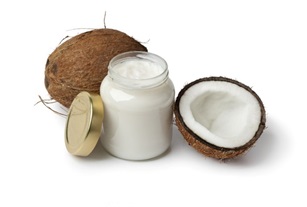
Virgin coconut oil [VCO], on the other hand, has some outstanding bacteria-busting benefits due to its high lauric acid content – a fatty acid known for its antimicrobial action. S. mutans, which is the primary bacterium responsible for dental caries/tooth decay, is inhibited by lauric acid, which makes VCO a reasoned choice for dental health, as confirmed below. It also has antifungal activity, which helps combat Candida. In addition, VCO is considered a comparatively potent detoxing agent. And just to add to its many and varied virtues, it also tastes pretty good, which is helpful when one is swishing away for a long time! But, as with olive, let this not be a temptation to swallow it.
So the obvious question is whether one choice of oil is better than another? In a 2012 study published in the ‘British Dental Journal’, a team of Irish researchers, led by Dr Damien Brady from the Athlone Institute of Technology [AIT], tested the impact of coconut, and some other vegetable oils including olive, on dental health. The oils were tested in both their natural states and when treated with enzymes in a process similar to digestion. Considering that the digestive process starts with enzymes in the mouth [and ends in the stomach], it could be postulated that oil pulling is not such a far-fetched notion after all! The oils were also tested against various Streptococci bacteria, the common oral microbes. They concluded that the enzyme-modified coconut oil inhibited the growth of most strains of the bacteria, including S. mutans. These findings align with empirical evidence in favour of coconut oil as the best agent for oil pulling.
How it is done

According to Dr. Karach, the beauty of this method of oral hygiene lies in its simplicity. All one needs to do is slowly swish 5 ml-30 ml of your oil of choice in your mouth, ‘pulling’, pushing and munching it between your teeth in a relaxed fashion, for about 10 – 20 minutes.
You may notice that as the process continues, the oil tends to gets thinner and becomes white or creamy coloured [depending on which oil is used]. This is normal and thought to be due to a mixture of saliva, mucus and accumulated toxins or ama [disease causing toxins considered to be the underlying cause of many health conditions, according to Ayurveda]. Apparently, swishing activates enzymes in the saliva and these enzymes draw toxins out of the blood. However, don’t swallow the toxin- or ama-laden oil that results from the procedure, as that would defeat the detox purpose.
When you’re done, spit it out, rinse your mouth and brush your teeth. Rinsing with warm, sea salt water also has added antimicrobial benefits, and in addition it does not disrupt the balance of healthy flora. It helps quell the gag reflex if you tilt your chin down or lean forward a bit, as opposed to tilting your head back and letting it hit the back of your throat. Swish, don’t gargle!
Do not swallow!

This is one time when spitting is allowed!
If you use coconut oil, don’t however, spit it into the wash basin as it can build up and solidify in the drain. Spit into tissues or paper towel and bin it. If using other oils it’s OK to let the spit go down the plug hole, but do clean the basin afterwards, since the spit contains whatever muck has been drawn out of the oral tissue.
When it should be done

Ideally, first thing in the morning – before drinking or eating anything, and before brushing your teeth – since this is when the accumulated gunk from the sleeping hours is lurking in greatest quantity. Morning breath confirms this! In addition, if you do start feeling a bit green around the gills [either from the process or from the detox starting], it’s a lot more pleasant if you have an empty stomach. However, it can also be done at night, 3-4 hours after dinner, if mornings aren’t your thing.
How often should it be done?
Daily or 3-4x per week, depending on individual need or preference. It can even be done 2-3x a day, for short periods of time, to accelerate a healing process when needed. But always before meals or on an empty stomach i.e. 3-4 hours after a meal has been digested.
How long should oil pulling continue?
As long as you like or until there is symptom amelioration/improvement if you’re doing it for a specific condition. It’s safe, and other than maybe a bit nauseating for some folk, without significant negtive effects.
Are there any side-effects?
Not usually, but If you do experience a bit of stiff jaw or muscle tightness in the cheeks, just relax your face more when doing it, or don’t swish and pull too vigorously, and it should subside. If you experience a release of mucous in your throat or nose [swishing can release sinus gunk], simply blow your nose before you start. Sometimes symptoms may get initially worse, which is referred to as a ‘healing crisis’ in natural medicine, but this isn’t a reason to stop the treatment. Keep going and it too shall pass.
Can children oil pull?
Yep – children can also do this but with less quantity of oil [5 ml], provided they have sufficient control not to swallow the oil.
CONTINUED ON PAGE 3